
All Articles
Latest articles, news, and technical resources
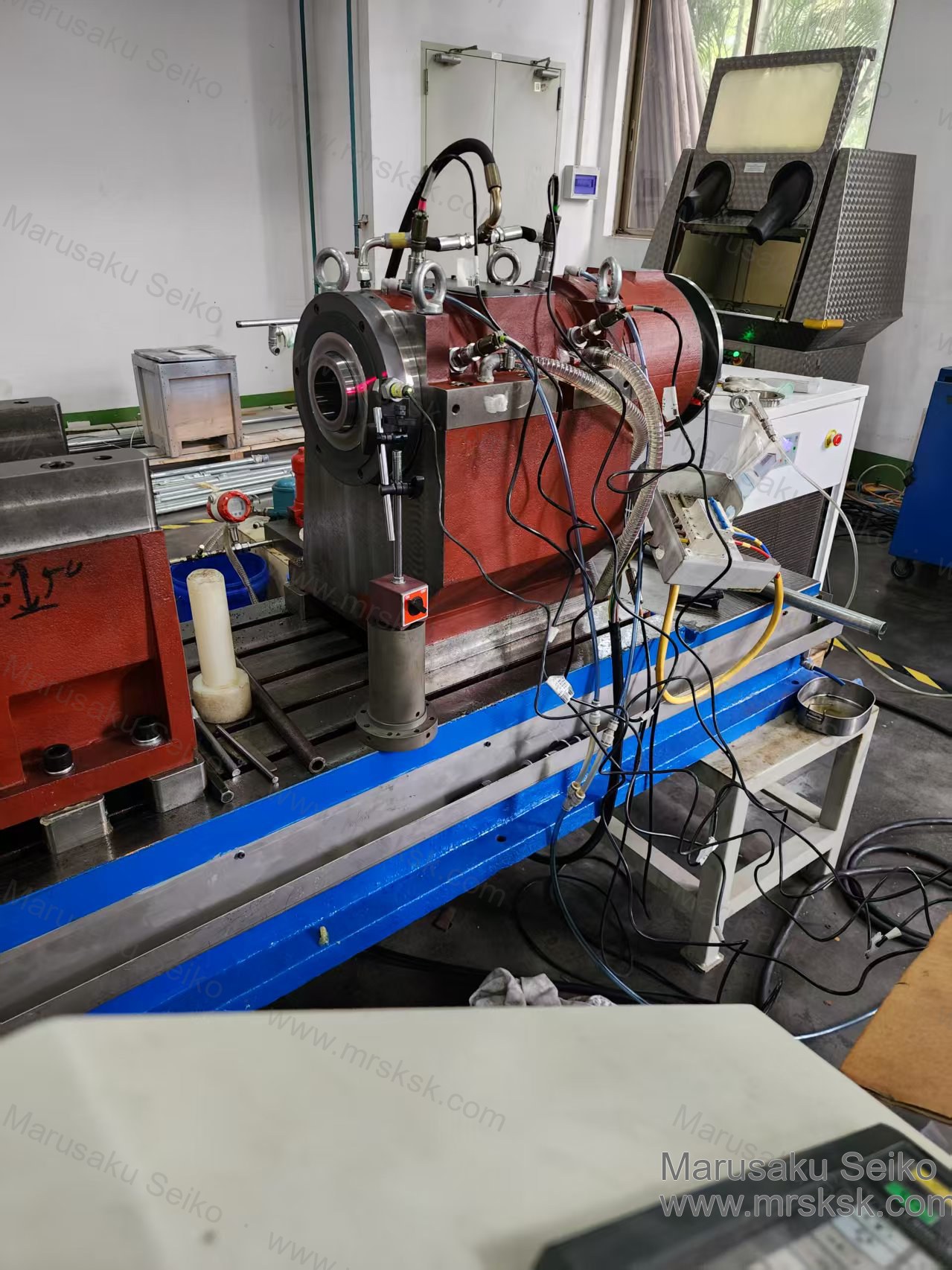
Hydrostatic System Complexity and Cost: Weighing t...
Hydrostatic technology brings a pump, filtration, controls, and higher upfront cost plus leakage risk and stricter maint...
Read More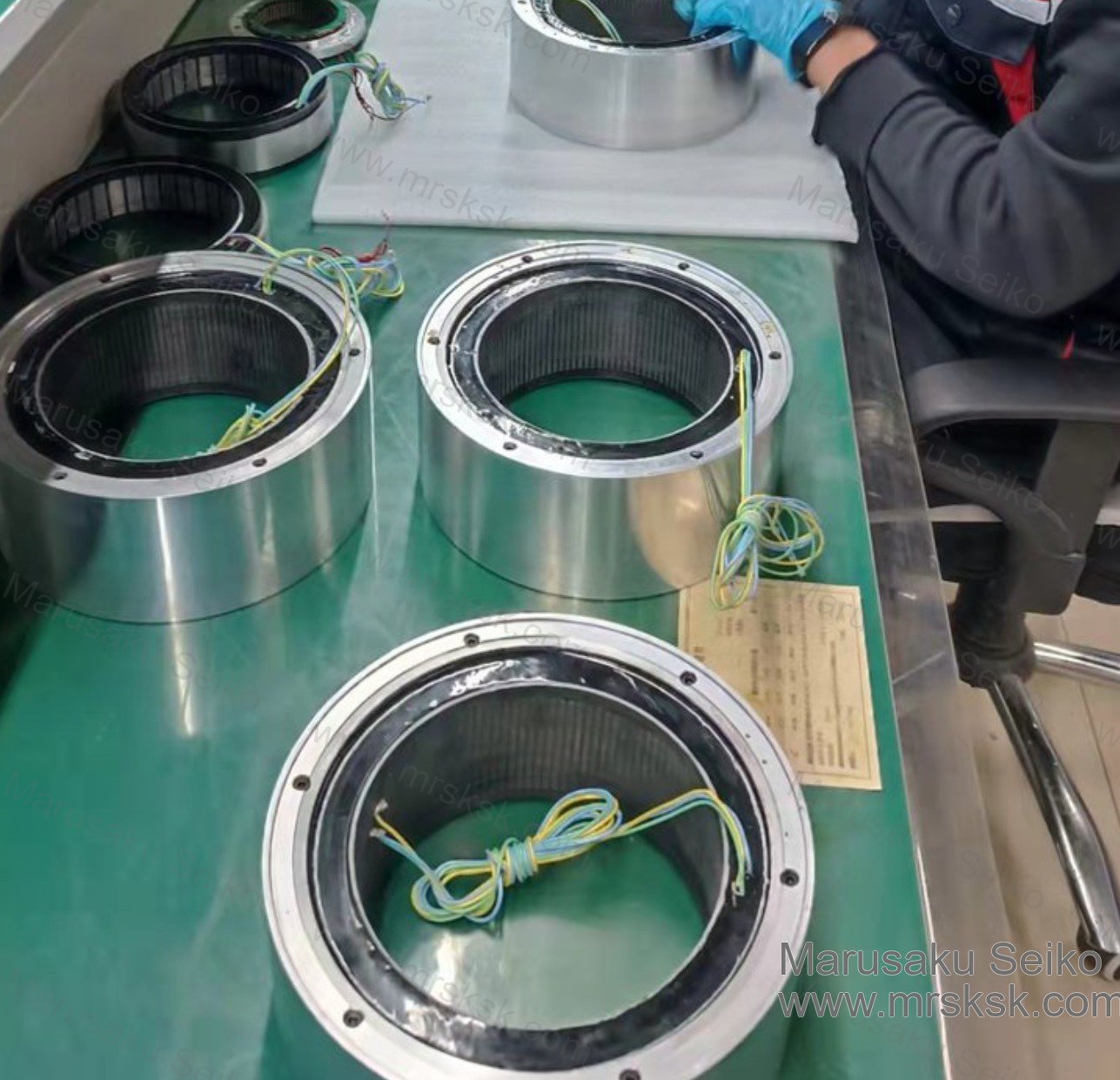
Energy Use in Hydrostatic Technology: An Honest Lo...
Hydrostatic systems need a continuously running pump and filtration, so they use more energy than passive bearings. The ...
Read More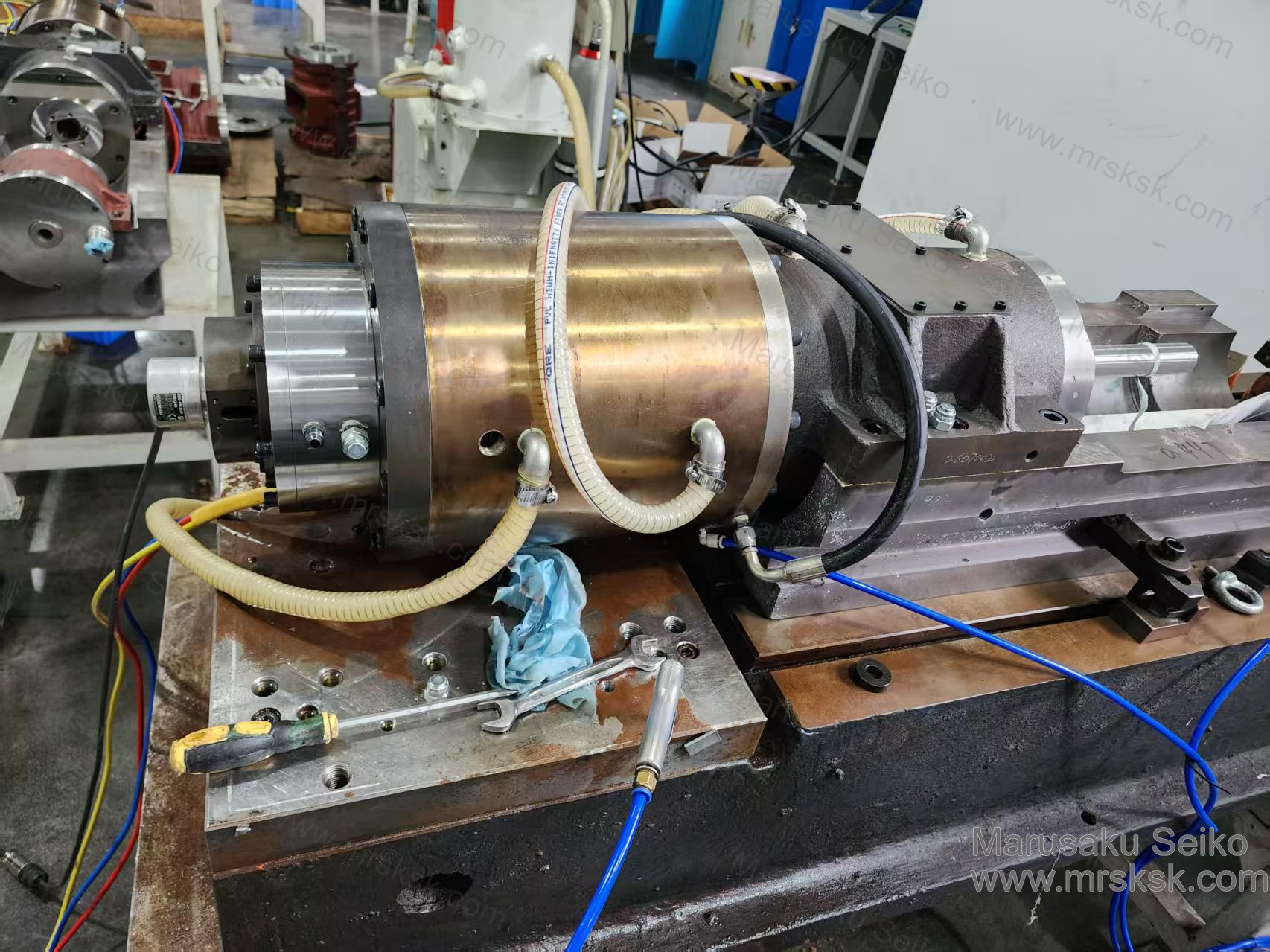
Oil-Cavity Flatness Within 0.5 μm: A Hydrostatic D...
The machined flatness of each oil cavity must be held within 0.5 μm. Even a slightly uneven cavity makes the oil film no...
Read More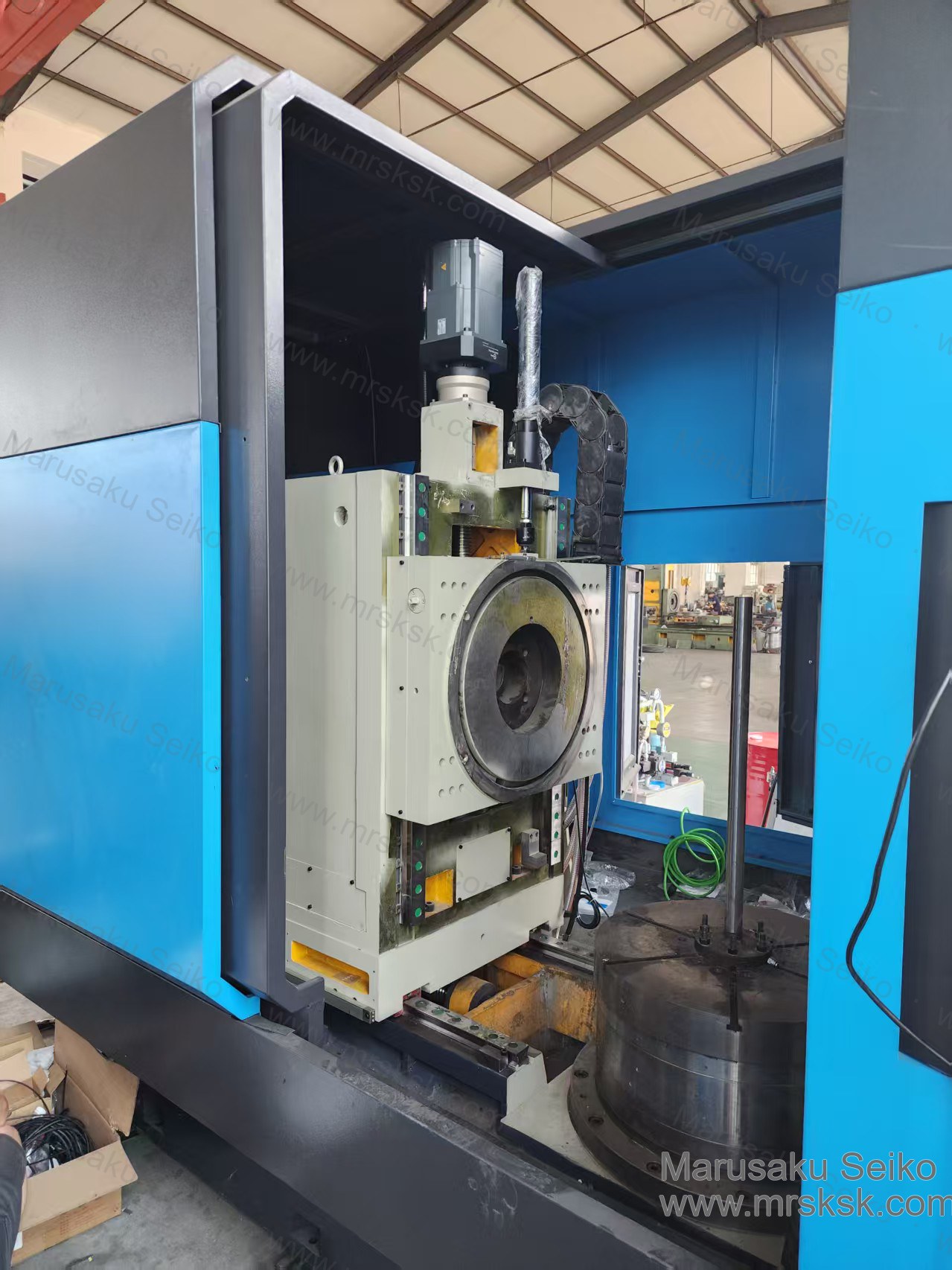
Hydrostatic System Pump Station and Filtration Arc...
Behind every hydrostatic spindle or table sits a pump station, multi-stage filtration, and a control loop. Understanding...
Read More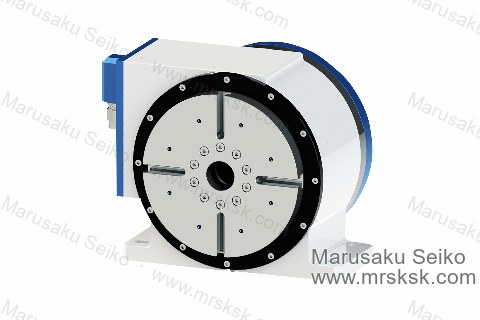
Hydrostatic Oil Temperature Control: Holding 35±5°...
Oil viscosity and film geometry depend on temperature. Hydrostatic systems hold oil near 35±5°C (20±1°C ambient ideal) s...
Read More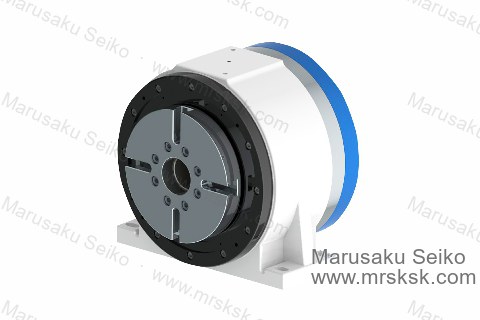
Oil Cleanliness for Hydrostatic Systems: Why NAS 5...
A hydrostatic oil film is only 3–10 μm thick, so particles larger than that wreck it. Maintaining NAS 5 cleanliness and ...
Read More
Hydrostatic Slides for Precision Machine Tools: St...
A hydrostatic slide floats the machine carriage on oil for straight, stable, wear-free linear motion—protecting part geo...
Read More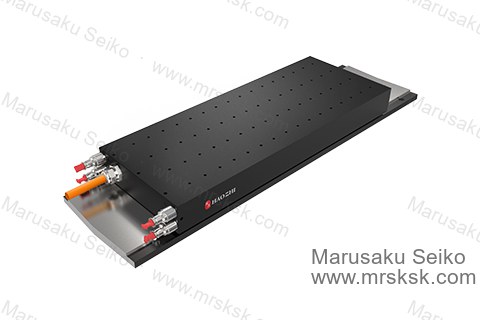
Hydrostatic Ways and Guideways: Non-Contact Linear...
Hydrostatic ways apply the same oil-film principle to linear axes, giving machine-tool carriages sub-micron straightness...
Read More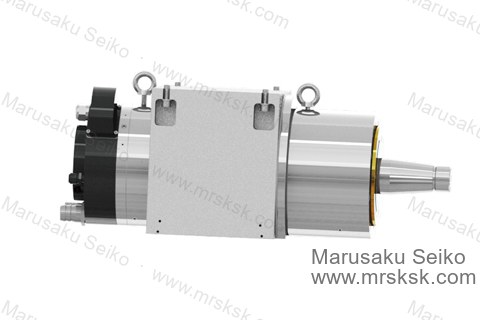
Hydrostatic vs Hydrodynamic Bearings: What Is the ...
Hydrodynamic bearings generate their oil film from relative motion; hydrostatic bearings are pumped up by an external su...
Read MoreNeed Help Choosing the Right Product?
Our team is ready to assist you with technical specifications and quotations.
Talk to Our Team