
All Articles
Latest articles, news, and technical resources
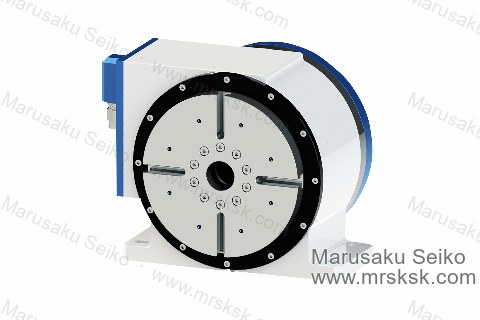
Vibration Damping of the Hydrostatic Oil Film: Fas...
The oil film is a viscous damper. Its damping decays cutting vibration quickly, improving surface finish and tool life v...
Read More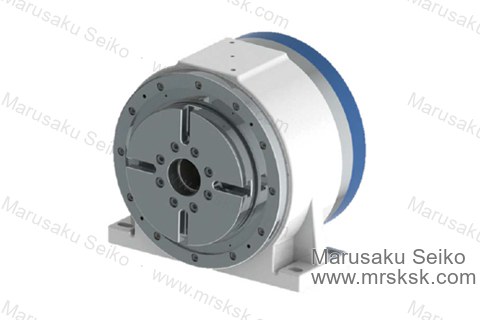
Runout and Radial Accuracy: ≤0.1 μm with Hydrostat...
Hydrostatic support delivers radial runout of ≤0.1 μm (high-end 0.02 μm) and rotary positioning accuracy up to ±0.001 mm...
Read More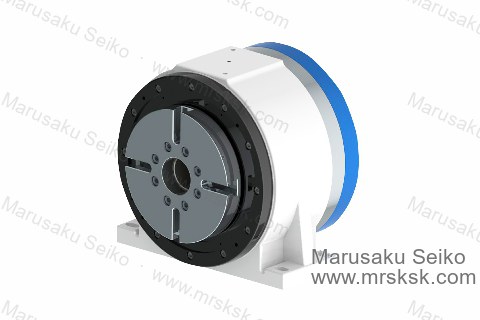
Oil-Film Stiffness in Hydrostatic Systems: 5–10× a...
Hydrostatic oil-film stiffness commonly reaches 5–10 times that of a rolling bearing, and can exceed 500 N/μm. Discover ...
Read More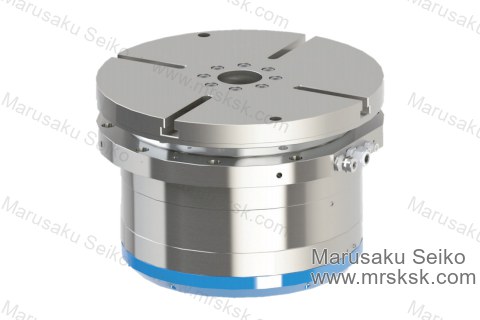
Hydrostatic vs Aerostatic (Gas) Support: Which to ...
Both use a pressurized film, but liquid and gas media differ sharply. Compare cleanliness, speed, load, stiffness, and t...
Read More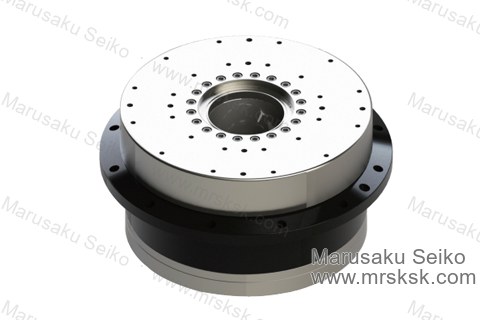
Hydrostatic vs Rolling Bearings: A Complete Compar...
Compare hydrostatic and rolling bearings across friction, runout, stiffness, life, low-speed behaviour, damping, thermal...
Read More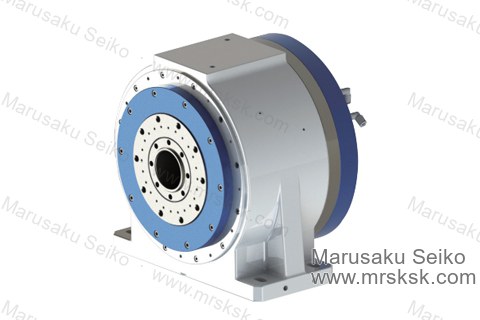
Why Membrane-Feedback Restrictor Delivers the High...
Membrane-feedback restrictors provide the highest oil-film stiffness of any hydrostatic compensation method. Understand ...
Read More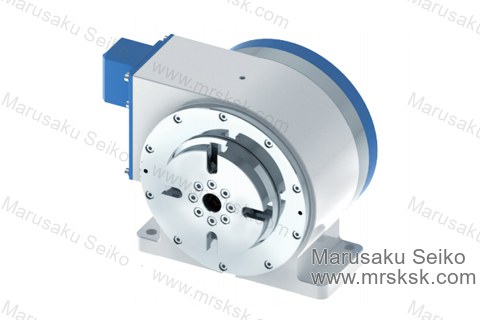
Hydrostatic Restrictor Types: Capillary, Orifice, ...
The restrictor is the 'brain' of a hydrostatic system. Compare capillary, orifice, membrane-feedback, and slide-valve re...
Read More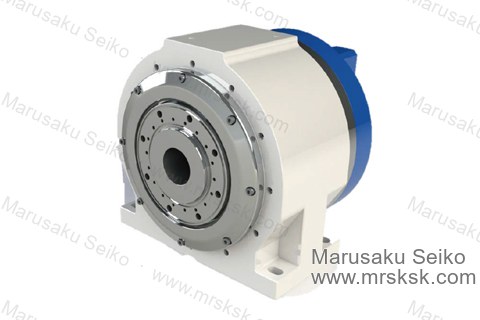
How the Hydrostatic Oil Film Works: Thickness, Pre...
The hydrostatic oil film is the heart of the technology. Understand oil-film thickness (3–50 μm), supply pressure (1–10 ...
Read More
What Is Hydrostatic Technology? Principles of Liqu...
Hydrostatic technology uses an external high-pressure pump to force lubricating oil into the gap between bearing surface...
Read MoreNeed Help Choosing the Right Product?
Our team is ready to assist you with technical specifications and quotations.
Talk to Our Team