
Articles
Articles in this category

Hydrostatic Spindle Maintenance Schedule: Oil, Fil...
A hydrostatic spindle rewards discipline, not heavy service. The routine is simple: keep oil NAS 5 clean, change it arou...
Read More
Hydrostatic Bearing Vibration Analysis and Monitor...
Hydrostatic films damp vibration well, so unexpected vibration usually points to oil supply or process issues. A simple ...
Read More
Hydrostatic Bearing Troubleshooting: Pressure Drop...
A sudden drop in cavity pressure or loss of the oil film is the key early warning in hydrostatic systems. Learn the comm...
Read More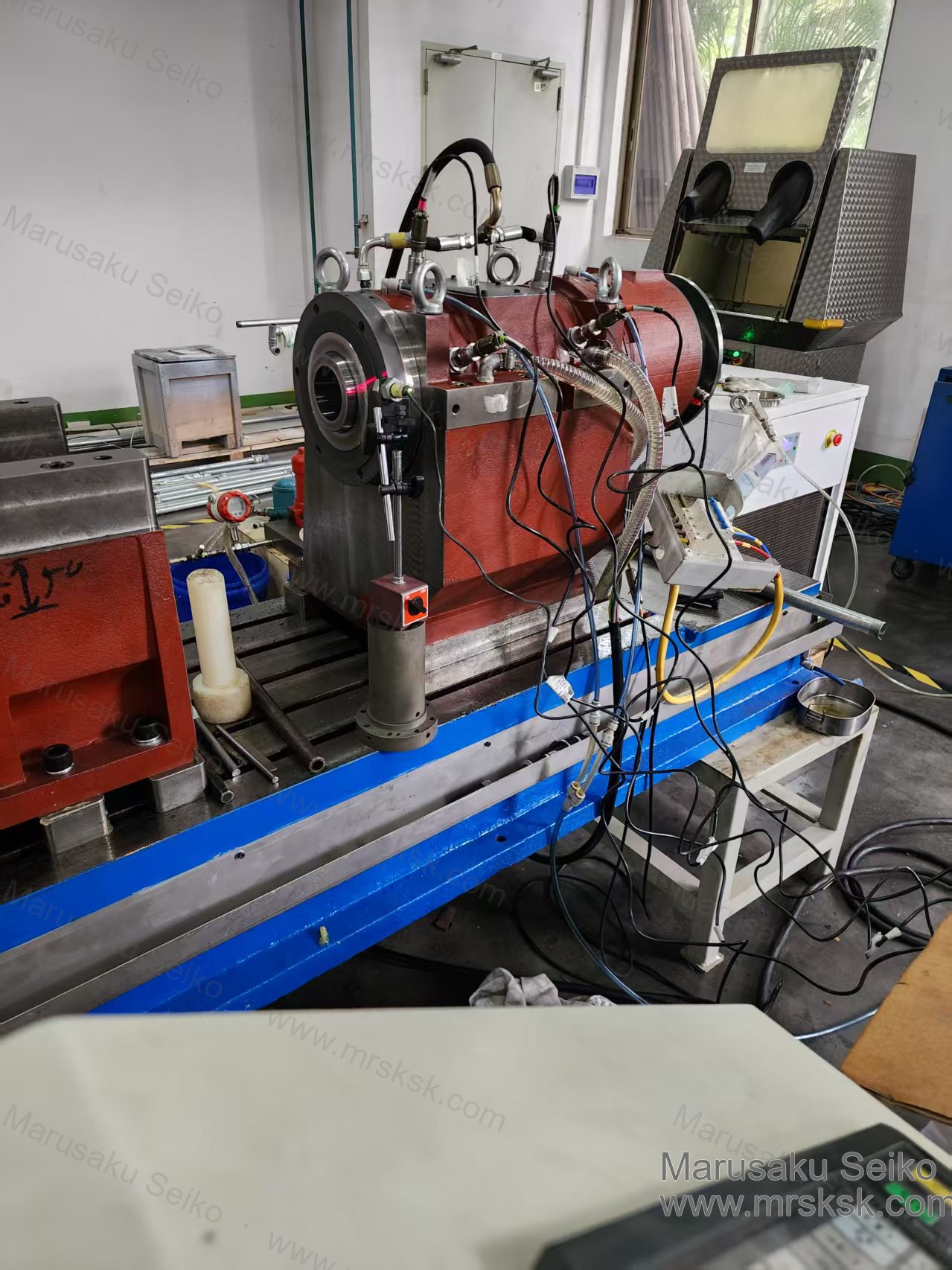
Hydrostatic System Complexity and Cost: Weighing t...
Hydrostatic technology brings a pump, filtration, controls, and higher upfront cost plus leakage risk and stricter maint...
Read More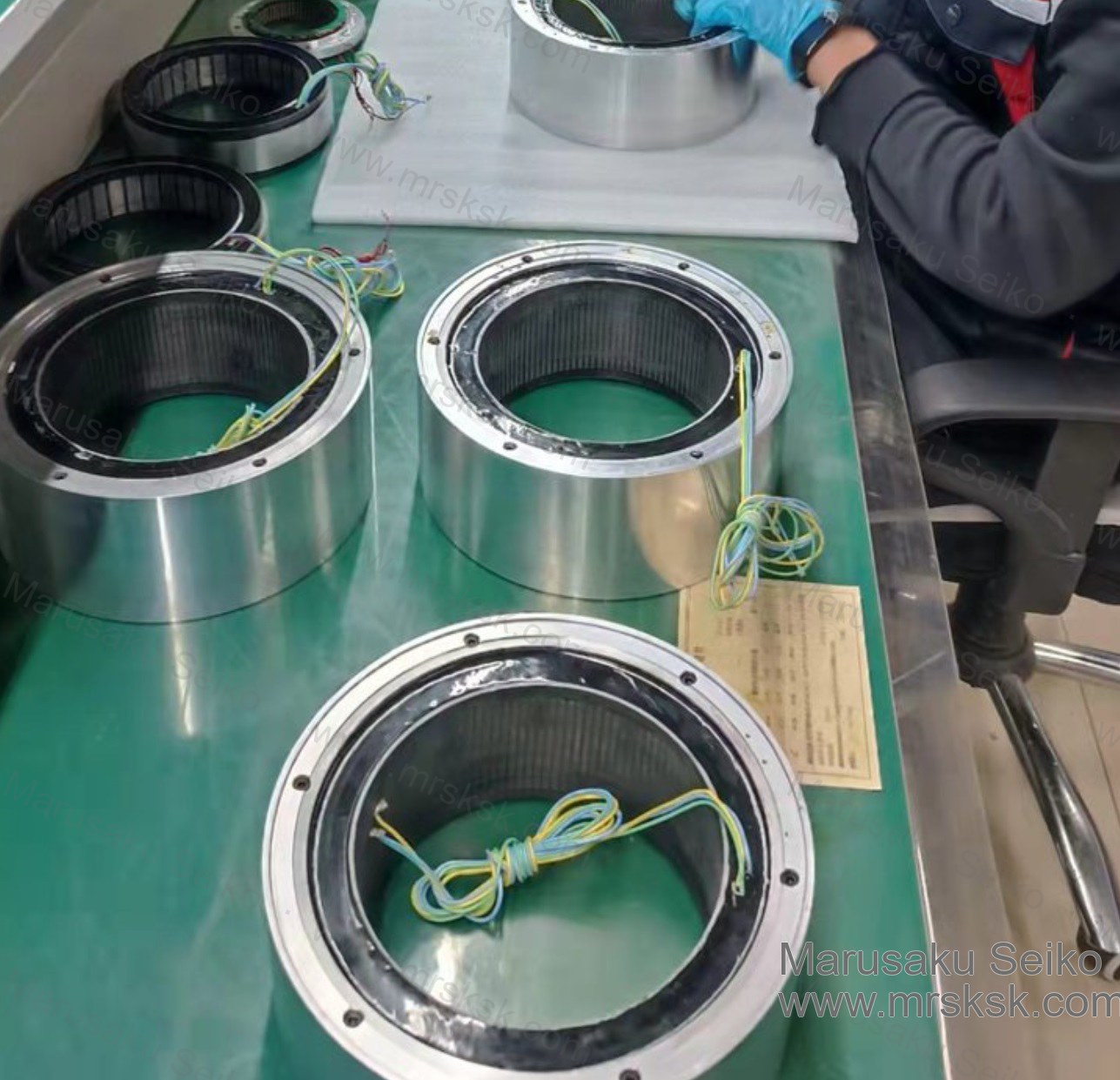
Energy Use in Hydrostatic Technology: An Honest Lo...
Hydrostatic systems need a continuously running pump and filtration, so they use more energy than passive bearings. The ...
Read More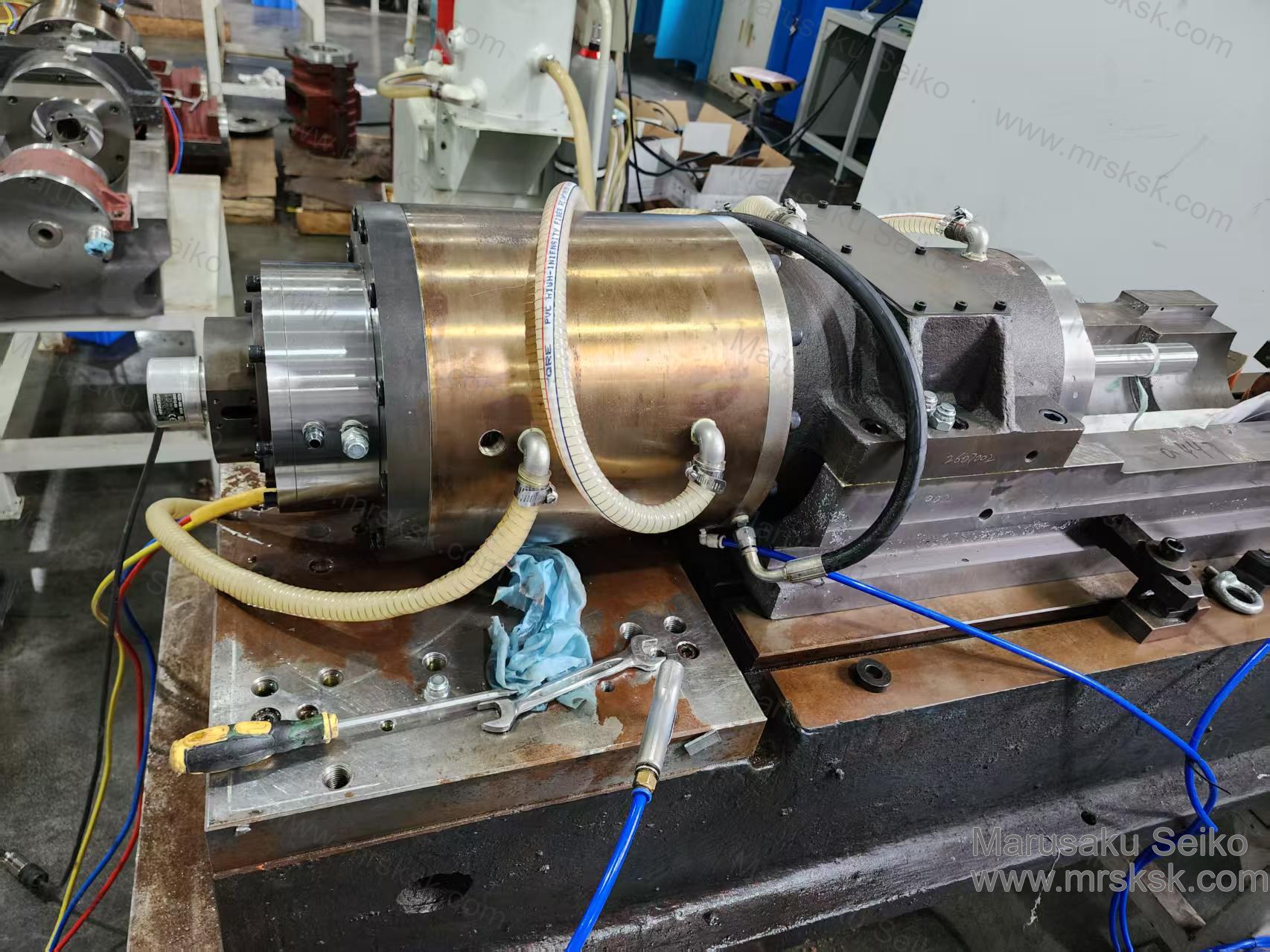
Oil-Cavity Flatness Within 0.5 μm: A Hydrostatic D...
The machined flatness of each oil cavity must be held within 0.5 μm. Even a slightly uneven cavity makes the oil film no...
Read More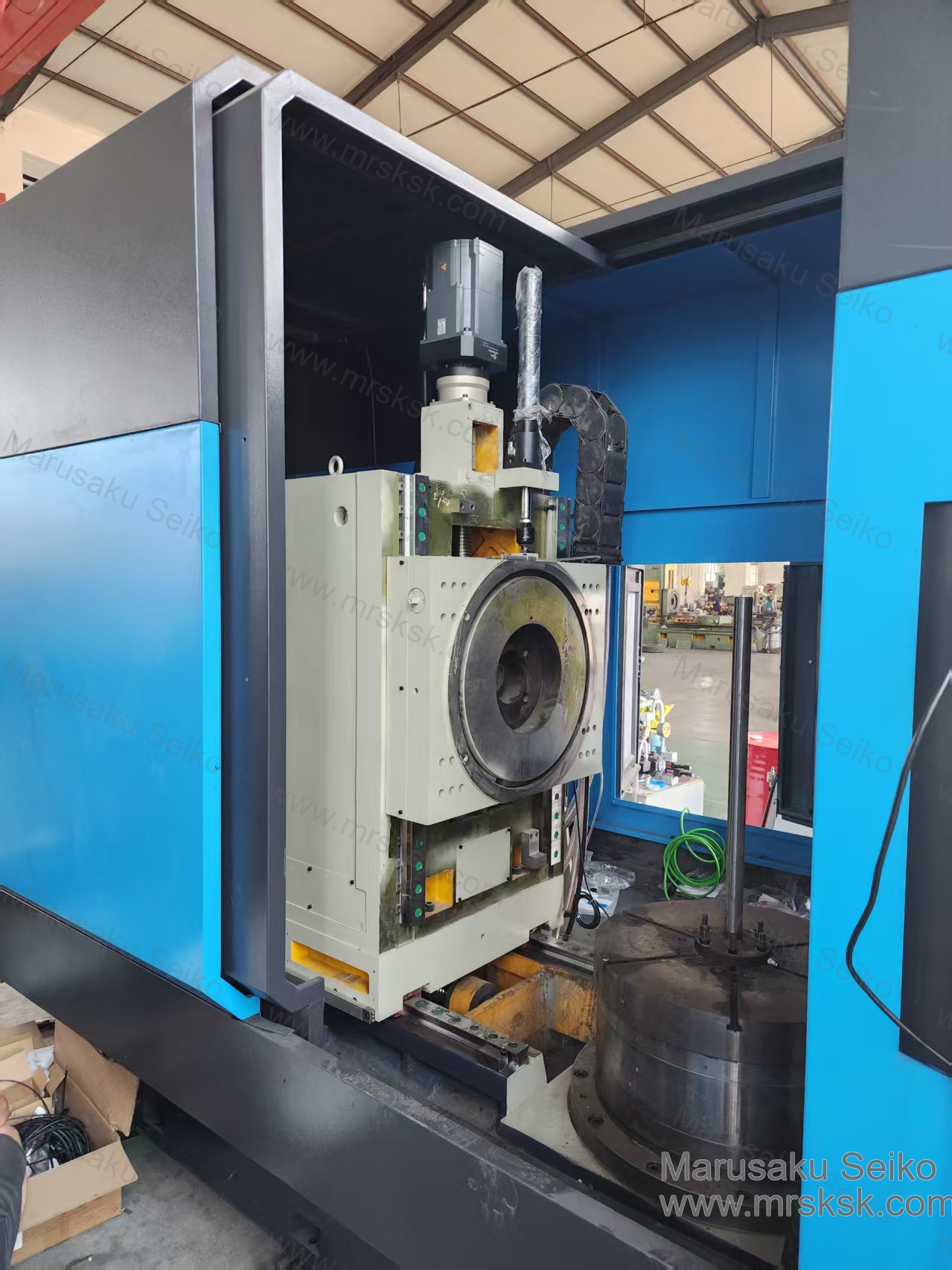
Hydrostatic System Pump Station and Filtration Arc...
Behind every hydrostatic spindle or table sits a pump station, multi-stage filtration, and a control loop. Understanding...
Read More
Hydrostatic Oil Temperature Control: Holding 35±5°...
Oil viscosity and film geometry depend on temperature. Hydrostatic systems hold oil near 35±5°C (20±1°C ambient ideal) s...
Read More
Oil Cleanliness for Hydrostatic Systems: Why NAS 5...
A hydrostatic oil film is only 3–10 μm thick, so particles larger than that wreck it. Maintaining NAS 5 cleanliness and ...
Read MoreNeed Help Choosing the Right Product?
Our team is ready to assist you with technical specifications and quotations.
Talk to Our Team