
Articles
Articles in this category

Speed Range of Hydrostatic Spindles: From Low RPM ...
Unlike rolling bearings, hydrostatic support works from near-zero speed to tens of thousands of rpm. Understand the broa...
Read More
Low-Speed Crawl-Free Motion with Hydrostatic Beari...
Rolling bearings can 'crawl' at very low speed due to stick-slip. Hydrostatic support has no solid contact, so motion st...
Read More
Thermal Stability: How Oil Flow Controls Heat in H...
Hydrostatic oil flow carries heat away uniformly, avoiding the hot spots that cause thermal drift in rolling bearings. L...
Read More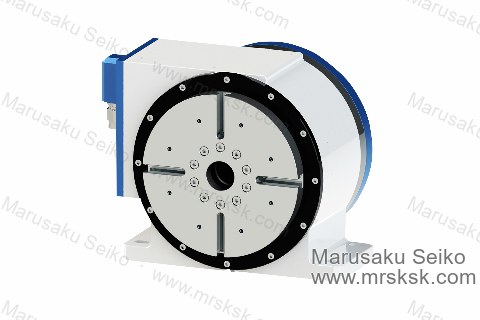
Vibration Damping of the Hydrostatic Oil Film: Fas...
The oil film is a viscous damper. Its damping decays cutting vibration quickly, improving surface finish and tool life v...
Read More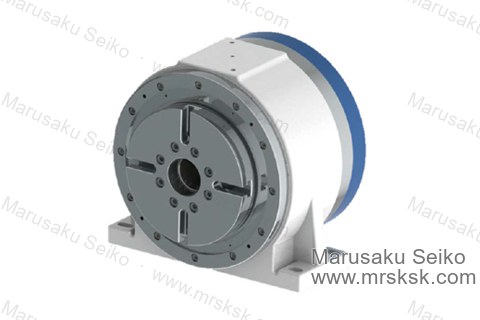
Runout and Radial Accuracy: ≤0.1 μm with Hydrostat...
Hydrostatic support delivers radial runout of ≤0.1 μm (high-end 0.02 μm) and rotary positioning accuracy up to ±0.001 mm...
Read More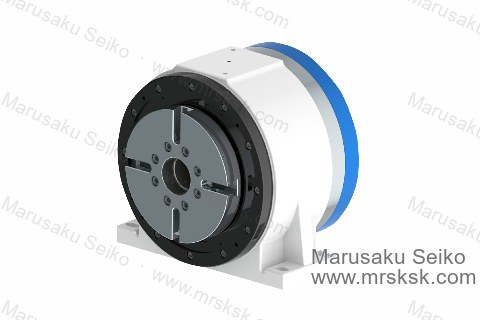
Oil-Film Stiffness in Hydrostatic Systems: 5–10× a...
Hydrostatic oil-film stiffness commonly reaches 5–10 times that of a rolling bearing, and can exceed 500 N/μm. Discover ...
Read More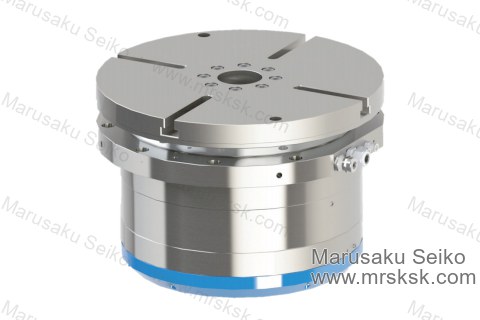
Hydrostatic vs Aerostatic (Gas) Support: Which to ...
Both use a pressurized film, but liquid and gas media differ sharply. Compare cleanliness, speed, load, stiffness, and t...
Read More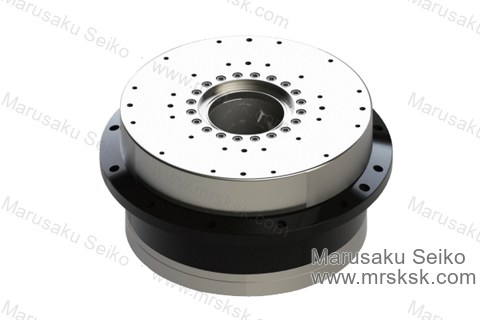
Hydrostatic vs Rolling Bearings: A Complete Compar...
Compare hydrostatic and rolling bearings across friction, runout, stiffness, life, low-speed behaviour, damping, thermal...
Read More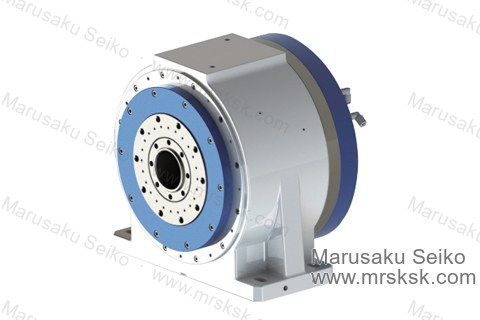
Why Membrane-Feedback Restrictor Delivers the High...
Membrane-feedback restrictors provide the highest oil-film stiffness of any hydrostatic compensation method. Understand ...
Read MoreNeed Help Choosing the Right Product?
Our team is ready to assist you with technical specifications and quotations.
Talk to Our Team